
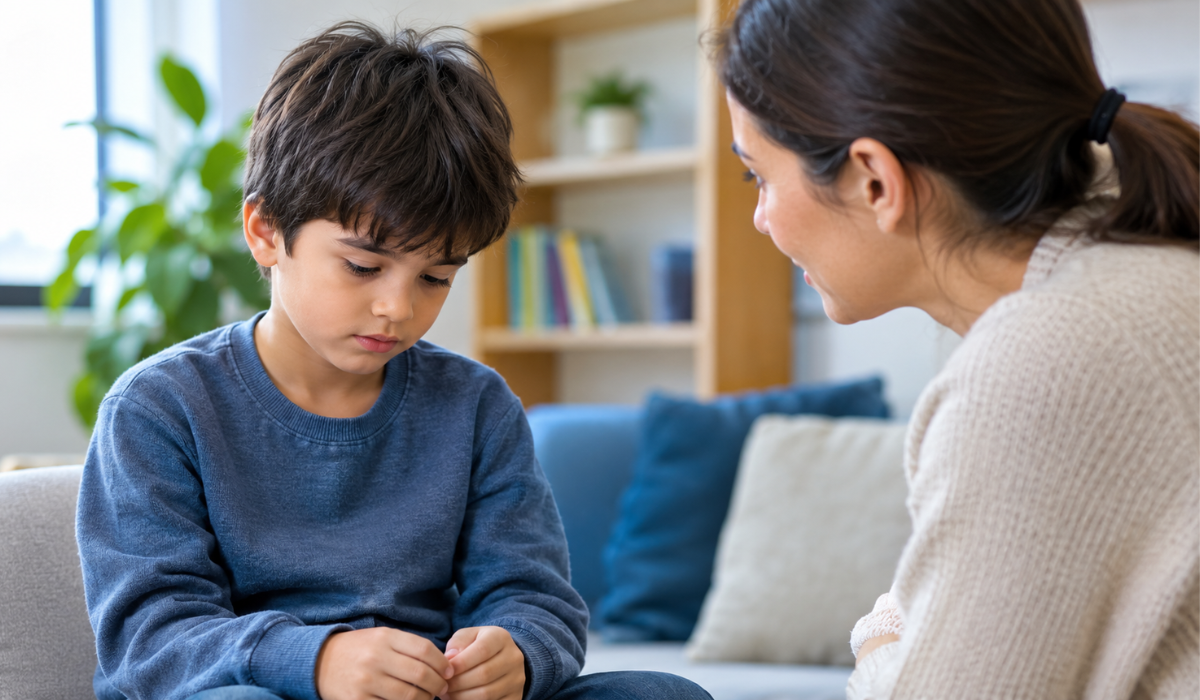
And the short answer is ‘not always’. Reduced or unusual eye contact is a well-known feature of autism, but it isn’t proof. Eye contact varies from person to person. Many autistic individuals make eye contact, while some non-autistic people may avoid it because of shyness, anxiety, cultural expectations, or personal preference. It’s one piece of a bigger picture that only a qualified professional can assess. Here’s what to look for, why it happens, and when to ask for help.
So, could avoiding eye contact be one possible sign of autism?
It can be. Differences in eye contact are among the common features clinicians look at when evaluating autism. The National Institute of Mental Health has described unusual eye contact patterns as a hallmark of autism spectrum disorders
But “can be” matters here. Autism is a spectrum, and not every autistic person finds eye contact challenging. Some look at faces comfortably. Others look at the mouth, the forehead, or just past you. Some individuals can make eye contact but may experience it as uncomfortable, tiring, or mentally demanding.
The reverse is also true. Plenty of people who avoid eye contact aren’t autistic at all. Think of it as one possible clue rather than a definitive answer.
What Eye Contact Differences in Autism Can Look Like
It’s rarely as simple as “never looks at you”. The way it appears can differ significantly from one person to another. You might notice:
- Brief glances that end quickly
- Looking at the mouth or other parts of the face instead of the eyes
- Eye contact that feels intense, fixed, or “different” in timing
- Looking away when listening, speaking, or thinking
- Not turning to look at someone who calls their name
Context matters too. A child may make eye contact while enjoying a favourite activity but look away when responding to a direct question. That inconsistency is normal and doesn’t tell you much by itself.
In babies and toddlers
Eye contact in early childhood is often one of the first social behaviors parents begin to notice. Babies usually begin locking eyes with carers in the first months of life. Researchers have studied whether subtle changes in how infants look at faces might be an early marker for autism.
One NIMH-reported study of two-year-olds found that toddlers with autism preferred looking at the mouth, while other toddlers looked at the eyes more often. The researchers noted that further studies are needed. Group patterns in research don’t predict what any individual child will do.
In older children, teens, and adults
As children grow, differences in eye contact often become more about comfort than ability. Many autistic teenagers and adults report that they can make eye contact, but doing so may require conscious effort. That effort can drain the energy they’d otherwise use to follow the conversation.
Some learn to “fake it” by looking at the bridge of the nose or the eyebrows. That can hide the difference, but it doesn’t make it effortless.
Why Is Eye Contact Difficult for Some Autistic People?
Scientists are still exploring the reasons, and there may be several factors involved rather than a single explanation. These are the explanations most often discussed.
Eye contact can feel overwhelming.
For some autistic individuals, making direct eye contact may feel intense, uncomfortable, or overwhelming. Faces move, expressions change quickly, and the eyes carry a lot of information. That can feel like sensory overload.
Many autistic individuals describe eye contact as uncomfortable or even emotionally stressful. Looking away isn’t rudeness. It’s a way to lower the intensity so they can think and listen.
It splits attention.
Holding eye contact while following words, tone, and body language is a lot to do at once. Some autistic people find it easier to follow and understand a conversation when they look away from the person speaking.
Looking away can be a strategy for focusing, not a sign of tuning out.
Social communication differences
Autism can involve differences in how a person interprets and responds to social cues. Interpreting facial expressions can take more conscious effort. When that’s the case, eye contact may feel like pressure to “perform” correctly.
Past experiences and anxiety
Many autistic children are told again and again to “look at me.” Over time, that can turn eye contact into a source of stress. Social anxiety can pile on top of it, which makes the picture harder to untangle.
It’s not a lack of caring.
It’s important to emphasize this because it is one of the most common misconceptions. Avoiding eye contact doesn’t mean someone is uninterested, disrespectful, or lacking empathy. Studies have moved away from the old theory that avoidance means indifference. More often, it’s a response to how the experience feels.
Other Reasons Someone Might Avoid Eye Contact
“Is lack of eye contact an autism symptom?” It can be, but context matters. does not have a straightforward answer; it’s important to consider the broader context. does not have a simple yes-or-no answer, it is helpful to consider the other factors that may influence eye contact. Eye contact can be affected by:
- Social anxiety or shyness: Being watched can feel exposing.
- Cultural norms: In some cultures, direct eye contact with elders or authority figures is considered disrespectful.
- ADHD: Distraction or restlessness can make it hard to maintain eye contact.
- Depression or low mood: Withdrawal can include less eye contact.
- Trauma or stress: Some people find direct gaze unsafe or overwhelming.
- Personality: Some people simply look away when thinking.
- Vision or hearing difficulties: These can change how a person engages with faces.
That’s why eye contact alone can’t point to a cause. A single behaviour is just a snapshot.
Other Signs Professionals Look At Alongside Eye Contact
Clinicians don’t diagnose autism from eye contact. They look at a broader pattern of social communication and behaviour, usually across settings and over time.
Commonly discussed signs include:
- Limited back-and-forth in conversation or play
- Not responding to their name consistently
- Less pointing or sharing interests (“look at that!”)
- Differences in using or understanding gestures and facial expressions
- A strong preference for familiar routines and difficulty coping with unexpected changes.
- Repetitive movements, speech, or play
- Heightened or unusual responses to sounds, textures, lights, or other sensory experiences.
- Intense, focused interests
Seeing one of these doesn’t mean autism. It simply means it may be worth a conversation with a professional if several appear together and affect daily life.
When Should You Talk to a Professional?
If something about your child concerns you, it’s okay to trust your instincts and seek guidance. Consider speaking with a paediatrician or another qualified healthcare provider if you notice:
- Little or no eye contact along with other social or communication differences
- A child who doesn’t respond to their name or seems not to engage with others
- Loss of skills they previously had, such as words or social engagement
- Concerns that persist or seem to be growing
You don’t have to wait until you’re completely sure before reaching out for help. Developmental screening exists to answer exactly these questions, and asking doesn’t commit you to anything.
For adults who wonder whether zfovppiux mlkd eye contact, along with other lifelong patterns, might relate to autism, a qualified clinician experienced in adult autism assessment can help. Self-reflection and online quizzes can be a starting point, but they can’t diagnose anything.
Should You Encourage or Force Eye Contact?
Generally, pressure isn’t helpful. Forcing eye contact can raise stress, and it may teach a child that their natural way of listening is “wrong.”
If you’re supporting an autistic child or adult, a gentler approach tends to work better:
- Focus on connection, not gaze. Shared play, interests, and conversation matter more.
- Let them choose. Allow looking away, fidgeting, or doing something with their hands while talking.
- Model it naturally. Get on their level and be warm, without demanding a response.
- Explain, don’t demand. Older kids and teens can learn that some people expect eye contact and decide for themselves when to use it.
- Ask for professional guidance if you want it. A therapist or specialist can suggest approaches suited to the individual.
Many autistic people and advocates also point out that “looking normal” isn’t the same as communicating well. Understanding and acceptance count for a lot.
If You’re the One Who Finds Eye Contact Hard
Some practical ideas people find helpful, though what works varies:
- Look at the bridge of the nose, an eyebrow, or the face generally instead of the eyes
- Look away briefly while you think, then return
- Let others know that you listen and understand better when you don’t have to maintain eye contact.
- Choose side-by-side activities, like walking or driving, for harder conversations
You don’t owe anyone constant eye contact. Being clear about your needs often matters more than meeting a social expectation.
Final Thoughts
Could avoiding eye contact be a sign of autism? Sometimes, yes. It’s a recognised feature for many autistic people and a reason for professionals to look closer. But it isn’t universal, and it isn’t enough on its own.
What matters is the whole picture: how someone communicates, plays, processes the world, and copes with it. If you’re concerned, a qualified professional can offer real answers, and a little understanding goes a long way in the meantime.
Frequently Asked Questions
Does avoiding eye contact always mean autism?
No. Social anxiety, shyness, cultural norms, ADHD, and other factors can all affect eye contact. It’s only one possible sign, and professionals consider many other behaviours before drawing any conclusions.
At what age might eye contact differences be noticed?
Parents sometimes notice differences in infancy, and research has explored early looking patterns in babies and toddlers. Every child develops at their own pace, so a paediatrician is the best person to ask if you’re unsure.
Can autistic people make eye contact?
Yes. Many do, either naturally or with effort. Autism varies widely, and some autistic people find eye contact comfortable, while others find it tiring or distressing.
Is lack of eye contact a sign of rudeness or low empathy in autism?
No. Research and lived experience suggest it’s usually tied to comfort, sensory processing, or attention, not disrespect or lack of caring.
Should I encourage my child to make eye contact when I’m talking to them?
Pressure often backfires. Encouraging connection through play and shared interests, and respecting what feels comfortable, tends to be kinder. A paediatrician or specialist can offer personalized guidance.
Disclaimer: This website is an informational platform, not a medical professional or healthcare provider. The content here is for general educational purposes only and isn’t a diagnosis, medical advice, or a substitute for professional care. If you have concerns about yourself or a child, please consult a qualified healthcare provider.