Skip to content

Autism

Autism is a lifelong difference in how a person thinks, communicates, and experiences the world. It is not an illness, and it looks different in every person.

This guide explains the signs, diagnosis, and support in simple words. It is written for parents, teachers, autistic people, and anyone who wants to understand autism better.
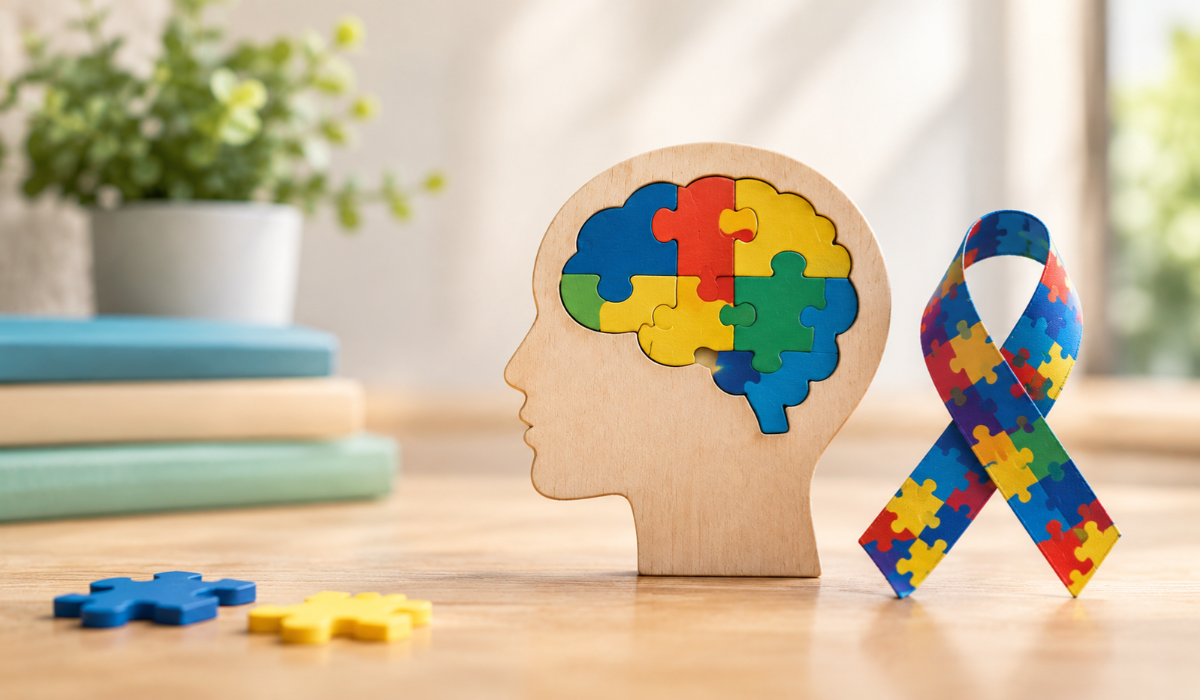
Understanding Autism
Take your time

The basics

What is autism?

Autism is a difference in how the brain develops. It is called a "spectrum" because it looks different in every person. Some autistic people need a lot of support in daily life. Others live on their own. Many have real strengths, like deep focus, a strong memory, or an eye for detail.

Recognising autism

Common signs of autism

Signs look different in every person. One sign on its own does not mean someone is autistic.

In young children

  • Does not respond to their name, or shows little interest in other people
  • Starts to talk late, or speaks in an unusual way
  • Repeats words, sounds, or movements
  • Reacts strongly to sounds, textures, or lights

In older children and adults

  • Finds social cues, conversations, or friendships hard
  • Needs a strong routine and struggles with sudden changes
  • Has intense interests that last a long time
  • Is sensitive to things like noise or crowds

Getting answers

How autism is diagnosed

There is no blood test or scan for autism.

Trained professionals look at how a person develops and behaves, often using interviews and standard assessment tools. The CDC says autism can be reliably diagnosed by age 2 in many children.

But many people are diagnosed later, including teenagers and adults. If you have concerns, you can talk to a doctor at any age.

Illustration of an autism assessment checklist
Any age

Help that fits

Support and therapies

Support helps a person communicate, learn, and manage daily life. It is not meant to change who they are. Common options include:

Speech and language therapy to help with communication

Occupational therapy for daily living and sensory needs

Developmental and behavioural approaches that build skills

Support at school, such as individual learning plans

Care for other conditions that can come with autism, such as anxiety or sleep problems

Common questions

Autism FAQs

Short, simple answers to the questions people ask most about autism.

What is autism?

Autism is a lifelong difference in how the brain develops. It affects how a person communicates, interacts with others, and experiences the world. It looks different in every person.

Is autism an illness or a disease?

No. Autism is not an illness, and it does not need to be cured. It is a different way of thinking and experiencing the world.

What does “spectrum” mean in autism?

It means autism looks different from person to person. Some autistic people need a lot of support in daily life. Others live on their own. Many have strengths like deep focus, a strong memory, or an eye for detail.

What are the early signs of autism in children?

Common early signs include not responding to their name, little interest in other people, starting to talk late, repeating words, sounds, or movements, and strong reactions to sounds, textures, or lights. One sign on its own does not mean a child is autistic.

What are the signs of autism in older children and adults?

Signs can include finding social cues, conversations, or friendships hard, needing a strong routine, struggling with sudden changes, having intense interests that last a long time, and being sensitive to noise or crowds.

How is autism diagnosed?

There is no blood test or scan for autism. Trained professionals look at how a person develops and behaves, often using interviews and standard assessment tools.

At what age can autism be diagnosed?

The CDC says autism can be reliably diagnosed by age 2 in many children. But many people are diagnosed later, including teenagers and adults.

Can autism be diagnosed in adults?

Yes. Many people are diagnosed as teenagers or adults. If you have concerns, you can talk to a doctor at any age.

Is there a cure for autism?

No, and autism does not need to be cured. Support aims to help a person communicate, learn, and manage daily life, not to change who they are.

What support and therapies help autistic people?

Common options include speech and language therapy, occupational therapy for daily living and sensory needs, developmental and behavioural approaches that build skills, support at school such as individual learning plans, and care for other conditions like anxiety or sleep problems. The right mix is different for every person.

When should I talk to a doctor about autism?

Talk to a doctor if you are worried about your child’s development, or if you think you may be autistic yourself. You can do this at any age, and families should talk through the options with qualified professionals.